September update: organise outfits with Google Photos
Checked 29 September 2026. Google’s 24 September announcement says its wardrobe feature is available to eligible Android and iOS users in India, Brazil and the US. It catalogues clothing from photos and supports virtual styling and try-on. Read Google’s official availability notes.
MVR idea: use it to rediscover combinations of clothes you already own. Treat generated previews as inspiration; they cannot establish a garment’s real fit, fabric feel or colour accuracy.
From FDCI’s 2026 couture coverage to your wardrobe
Sources checked 29 September 2026. FDCI’s homepage dates these two features to 31 July 2026. They offer useful context for occasion dressing; they are not new September launches.
Reuse can begin at the design stage
FDCI’s feature on Aisha Rao describes upcycling, in-house fabric production and the reuse of fabric remnants in bridalwear. It also discusses lighter lehengas and her interpretation of South Indian jewellery motifs. Read FDCI’s Aisha Rao feature.
MVR styling idea: before ordering a new occasion outfit, ask a tailor whether a dupatta or an unworn garment you own could be adapted. Feasibility depends on its fabric, construction and condition.
Comfort belongs in occasion wear
In FDCI’s Jayanti Reddy profile, the designer discusses lighter base fabrics, carefully placed embroidery and reusing leftover textiles across collections. The emphasis is on construction and pieces that remain meaningful over time. Read FDCI’s Jayanti Reddy profile.
MVR styling idea: try sitting, walking and lifting your arms in an outfit before committing to it. Style one existing piece in three combinations and photograph the results.
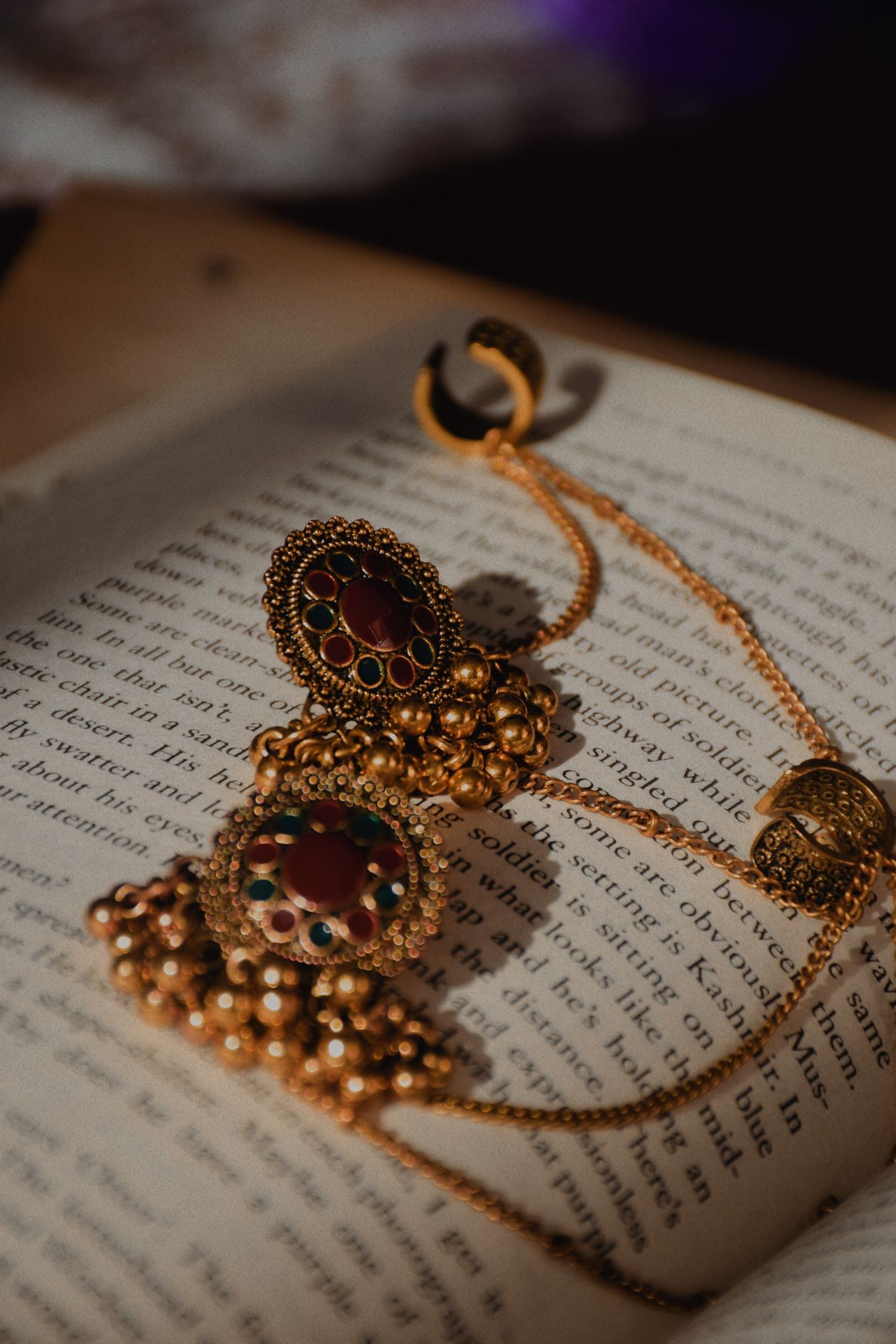
The practical suggestions are MVR’s editorial interpretation. The designer features do not imply an affiliation with MVR or describe the materials, certification or sustainability of MVR products. Ask MVR directly for current jewellery prices, materials and availability.
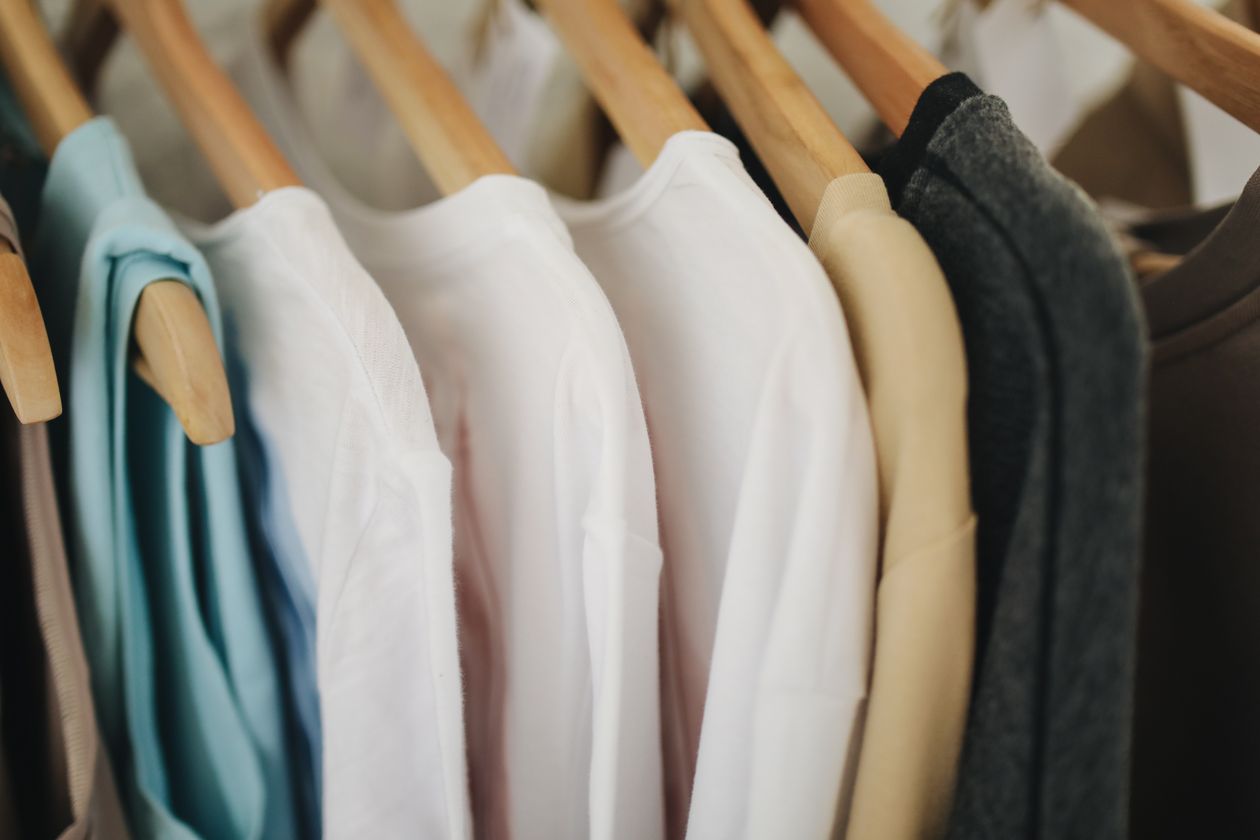
A full wardrobe can still feel difficult to use when its pieces do not work together or suit your day. Before buying another outfit, spend a little time with what you already have. This is not about following a strict capsule wardrobe or wearing only neutral colours. It is about understanding your own patterns.
What do you actually reach for?
Pick five items you have worn repeatedly. Note what they share: a comfortable fabric, a useful pocket, a sleeve length or a colour that works with your other clothes. Then look at three pieces you rarely wear. Is the issue fit, care, the occasion or simply personal taste? These observations are more useful than a generic list of wardrobe essentials.
Can the new piece make three outfits?
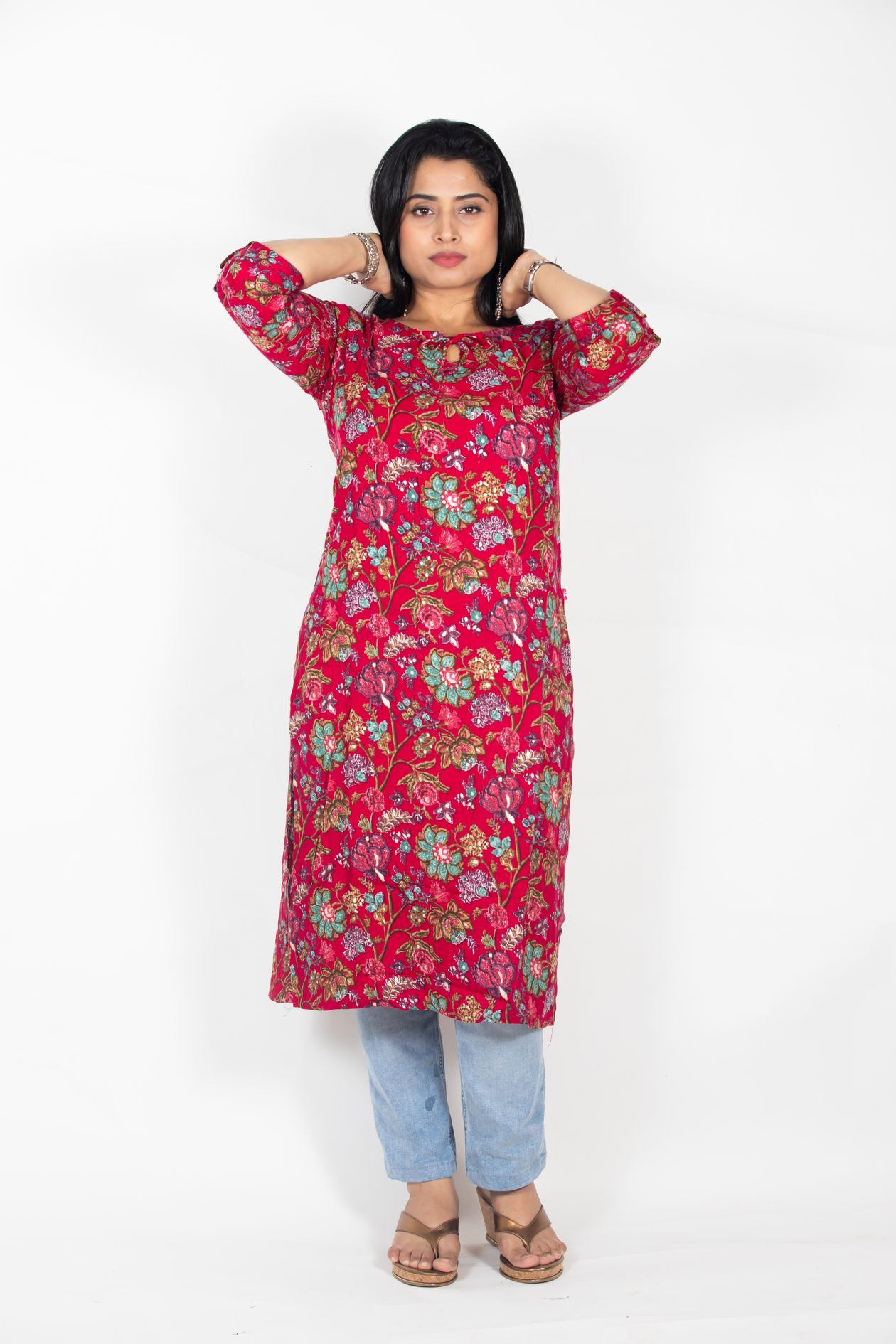
Before checkout, name three combinations using clothes you own. A printed kurta might work with jeans, plain trousers and a skirt. A dupatta may connect two outfits with different colours. If every combination needs another new purchase, the real cost is larger than the item’s price.
Does it suit your routine?
Think about your commute, climate, dress expectations and time for clothing care. Read the actual care label. An item that needs specialist cleaning or frequent ironing may be a poor match for a busy week even when it looks beautiful. For online purchases, compare the listed garment measurements with a similar item that fits, rather than relying only on the size name.
Would an alteration solve the problem?
A hem adjustment or a small fit change can make an existing piece easier to wear. Ask a tailor what is possible before committing; embellishments, seam allowances and fabric condition can limit an alteration. Borrowing or renting for an occasional event may also be worth considering, with the return conditions and total cost checked in advance.
Do you want the item—or the discount?
Write down why you want it before looking at the reduced price. Would you still consider it without the countdown or sale banner? Check the seller’s return policy, delivery cost and care information. Give yourself a pause for a non-urgent purchase.
A useful purchase fills a real gap. A discount alone does not create one.
Finish by photographing a few combinations you like. Keep a short note of genuine gaps, such as a versatile pair of trousers or shoes that are comfortable for an event. Shop from that note when needed, and allow your style to change without rebuilding everything at once.
Explore more ideas in Fashion, or read how we approach our content.